Serving Tucson, AZ and Surrounding Areas


4.8

Rating by 4054+ Customers
Heat Pump vs. Traditional HVAC in Arizona’s Climate: Which Is Better For Your Home?

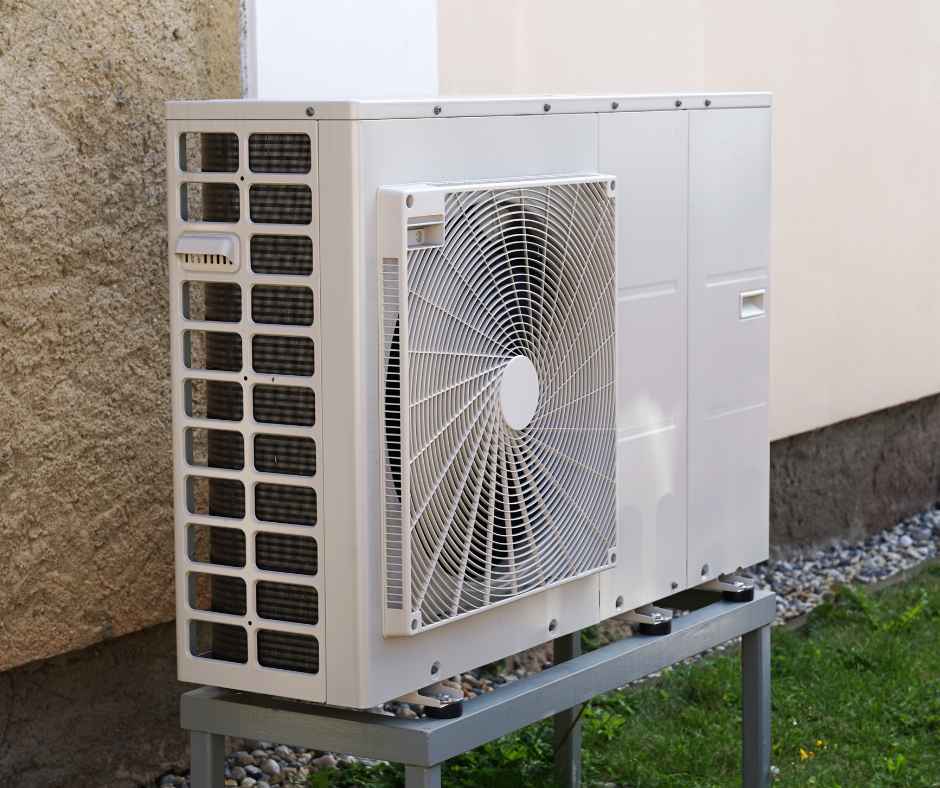
For many Arizona homeowners, a heat pump can be a smart, efficient choice because it provides both cooling and heating in one system and performs well in mild winter conditions. A traditional HVAC setup with an air conditioner and furnace may be better for homes that already have gas heating, need stronger winter heat, or are replacing only one part of an existing system.
Arizona homeowners rely heavily on their cooling systems for much of the year. When it is time to replace or upgrade HVAC equipment, one of the biggest questions is whether to choose a heat pump or a traditional HVAC system.
Both options can cool your home, but they handle heating differently. A traditional HVAC setup usually uses an air conditioner for cooling and a furnace for heating. A heat pump can cool your home in the summer and, by reversing its operation, provide heat in cooler months.
In this guide, we’ll explain how heat pumps and traditional HVAC systems compare in Arizona’s climate, when each option makes sense, and how D&H Air Conditioning, Heating & Plumbing can help you choose the best system for your home.
What Is the Difference Between a Heat Pump and a Traditional HVAC System?
The main difference is how the system provides heat.
A traditional HVAC system usually includes:
- An air conditioner for cooling
- A furnace for heating
- Separate cooling and heating equipment
- Gas or electric heating, depending on the home
- Ductwork to distribute conditioned air
A heat pump system usually includes:
- One outdoor unit for cooling and heating
- Refrigerant-based heating and cooling
- Electric operation
- Ducted or ductless options
- A reversing valve that changes system operation by season
In cooling mode, a heat pump works much like a central air conditioner. It removes heat from inside the home and moves it outside. In heating mode, it reverses the process, moving heat into the home.
Why Are Heat Pumps Popular in Warm Climates Like Arizona?
Heat pumps are popular in warm climates because winters are generally mild compared to colder regions. Heat pumps are very effective when outdoor temperatures do not stay extremely low for long periods.
A heat pump may be a good fit for Arizona homes because it can:
- Provide efficient cooling
- Handle mild winter heating
- Reduce the need for separate heating equipment
- Operate without gas service
- Support year-round comfort
- Work well in many desert climates
- Pair with modern thermostats and zoning options
- Offer ducted or ductless installation choices
Since Arizona homes typically need far more cooling than heating, many homeowners want a system that prioritizes efficient cooling while still providing dependable heat when temperatures drop.
When Is a Traditional HVAC System Better?
A traditional HVAC system may be better when a home already has a working furnace, reliable gas service, or specific heating needs that make a furnace more practical.
A traditional air conditioner and furnace setup may make sense if:
- Your home already has gas heating.
- The furnace is newer and still reliable.
- You only need to replace the AC.
- You prefer gas heat.
- Your home needs stronger heating during colder nights.
- Existing ductwork is designed around a furnace setup.
- You want to replace one system component at a time.
- Your budget favors repairing or replacing the existing setup.
For some homeowners, the best option is not changing the system type. If the current furnace is in good shape and only the AC is failing, replacing the air conditioner may be more cost-effective than switching to a heat pump.
Which System Is More Energy Efficient in Arizona?
A heat pump can be highly energy-efficient in Arizona because it transfers heat rather than generating it through combustion or electric resistance. During mild winter weather, this can make heating more efficient than many traditional electric heating options.
Efficiency depends on:
- System age
- SEER2 cooling rating
- HSPF2 heating rating
- Equipment size
- Installation quality
- Duct condition
- Insulation levels
- Thermostat settings
- Maintenance history
- Home layout
- Daily heating and cooling habits
A new high-efficiency air conditioner paired with a well-maintained furnace can also perform very well. The most efficient choice depends on the home’s current system, energy source, and comfort needs.
The bigger issue is often not just the equipment type. Poor sizing, leaky ducts, dirty coils, and neglected maintenance can make either system inefficient.
Does a Heat Pump Cool as Well as an Air Conditioner?
Yes. In cooling mode, a heat pump works very similarly to a central air conditioner. It removes heat from inside the home and releases it outside. A properly sized and installed heat pump can effectively cool an Arizona home.
A heat pump can provide strong cooling when:
- It is sized correctly.
- Ductwork is in good condition.
- The system is properly installed.
- Coils are clean.
- Refrigerant charge is correct.
- Airflow is balanced.
- Filters are changed regularly.
- Maintenance is performed before the cooling season.
If a heat pump is too small, too large, or connected to poor ductwork, it may struggle just like any AC system would. The quality of installation matters as much as the equipment choice.
Does a Heat Pump Provide Enough Heat in Arizona Winters?
For many Arizona homes, yes. Heat pumps are well-suited for mild winter conditions and can provide comfortable heating during cool mornings and nights.
A heat pump may provide enough heat if:
- Your home has typical heating needs for Arizona winters.
- The system is correctly sized.
- Your home is well-insulated.
- Ductwork is sealed and balanced.
- You do not rely on high-output gas heat.
- You want one system for cooling and heating.
A furnace may be preferred if:
- Your area has colder winter nights.
- The home loses heat quickly.
- You prefer hotter supply air.
- Your existing gas furnace is efficient.
- You have a higher heating demand.
- You want backup heat options.
Some homeowners notice that heat pump air feels less hot than furnace air. That does not mean the system is not working. Heat pumps often deliver warmth more steadily, while furnaces deliver hotter air in shorter cycles.
How Do Heat Pumps Handle Arizona’s Extreme Summer Heat?
Modern heat pumps are designed to cool homes in hot weather, but extreme Arizona heat makes proper system design critical. The outdoor unit must be sized and selected for local cooling loads, not guessed based only on square footage.
To perform well in summer, a heat pump needs:
- Correct capacity
- Proper refrigerant charge
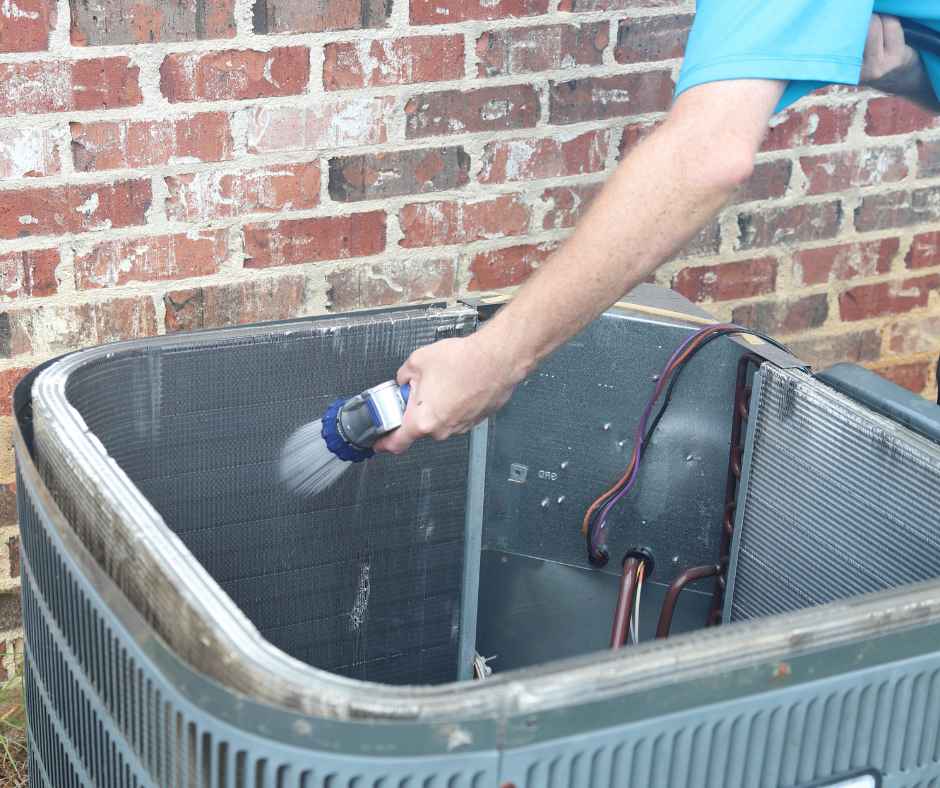
- Clean condenser coils
- Good outdoor airflow
- Ductwork that can deliver enough air
- Correct thermostat setup
- Regular seasonal maintenance
- Shade and clearance around the outdoor unit when practical
Arizona cooling demand is intense, so any HVAC system should be installed by professionals who understand local heat conditions. A system that is too small may run constantly. A system that is too large may short cycle and leave comfort issues behind.
What Are the Pros of Choosing a Heat Pump?
A heat pump can be a strong option for homeowners seeking efficient year-round comfort from a single system.
Benefits of a heat pump include:
- Heating and cooling from one system
- Efficient operation in mild winter climates
- No need for gas heating in many homes
- Strong cooling performance when properly sized
- Potential energy savings compared to some electric heating
- Compatibility with ducted or ductless layouts
- Good option for homes without gas service
- Useful for additions, garages, and zoned comfort
- Steady heating during cooler months
Heat pumps are especially appealing when replacing both heating and cooling equipment simultaneously.
What Are the Cons of Choosing a Heat Pump?
A heat pump is not the right fit for every home. The decision should be based on comfort expectations, existing equipment, utility costs, and installation needs.
Possible drawbacks include:
- Higher upfront cost in some installations
- Heating air may feel cooler than furnace air
- May require electrical upgrades in some homes
- Not always ideal if a newer furnace is already installed
- Performance depends heavily on proper sizing
- Repairs may affect both heating and cooling
- Backup heat may be needed in some situations
The biggest mistake is choosing a heat pump without evaluating the full home. Ductwork, electrical capacity, insulation, and comfort expectations all matter.
What Are the Pros of a Traditional AC and Furnace System?
A traditional HVAC system remains a good option for many Arizona homeowners, especially when the current setup works well.
Benefits of traditional HVAC include:
- Familiar system design
- Strong cooling from a central AC
- Powerful heating from a furnace
- Good fit for homes with gas service
- Ability to replace the AC and furnace separately
- Potentially lower upfront cost if only one component needs replacement
- Hotter supply air during heating
- Reliable performance when maintained
If your furnace is newer and efficient, replacing only the aging AC may be the most practical choice.
What Are the Cons of a Traditional HVAC System?
Traditional systems can also have drawbacks, especially if equipment is old or inefficient.
Possible drawbacks include:
- Two separate systems to maintain
- Gas service may be required for some furnaces
- Older furnaces may waste energy
- Aging AC systems can struggle in summer
- Duct problems can reduce performance
- Replacing both systems can be costly
- Less efficient heating if using older electric resistance equipment
A traditional system is only as good as its condition, installation, and maintenance. If both the AC and furnace are aging, it may be worth comparing full-replacement options with a heat pump.
Should Arizona Homeowners Choose Ducted or Ductless Heat Pumps?
Heat pumps can be ducted or ductless. The right option depends on the home.
A ducted heat pump may be better if:
- The home already has good ductwork.
- You want whole-home heating and cooling.
- You are replacing a central HVAC system.
- You want one thermostat controlling most of the home.
A ductless heat pump may be better if:
- You are conditioning an addition.
- One room is always too hot or cold.
- The home lacks ductwork.
- You want zoned control.
- A garage, casita, or guest room needs comfort.
- Duct installation would be difficult.
Ductless systems can solve specific comfort problems without replacing the entire home system.
How Do You Decide Which System Is Best for Your Arizona Home?
The best system depends on your home’s layout, current equipment, fuel source, budget, and comfort goals.
Ask these questions before choosing:
- Is my current AC still reliable?
- How old is my furnace?
- Do I have gas service?
- Are my energy bills rising?
- Does my home heat evenly in winter?
- Does my AC keep up in summer?
- Is my ductwork in good condition?
- Do I want one system for heating and cooling?
- Am I replacing a single component or the entire system?
- Are there rooms that need zoned comfort?
- How long do I plan to stay in the home?
A professional HVAC evaluation can compare repair, replacement, heat pump, and traditional system options based on your actual home.
Choose the HVAC System That Fits Arizona’s Heat and Your Home’s Needs
For many Arizona homeowners, a heat pump is an efficient and practical choice because it provides both cooling and heating in one system and works well in mild winter conditions. A traditional AC and furnace system may be better if your home already has gas heat, your furnace is still reliable, or you prefer a familiar setup with strong heating output.
If you are deciding between a heat pump and a traditional HVAC system, D&H Air Conditioning, Heating & Plumbing can help. Schedule HVAC service today to compare your options and choose the system that keeps your Arizona home comfortable year-round.
Get Service Today
Trust the local experts at D&H for all your HVAC & Plumbing Needs