Serving Tucson, AZ and Surrounding Areas



4.8

Rating by 4078+ Customers
Tankless vs. Traditional Water Heaters in Tucson’s Hard Water

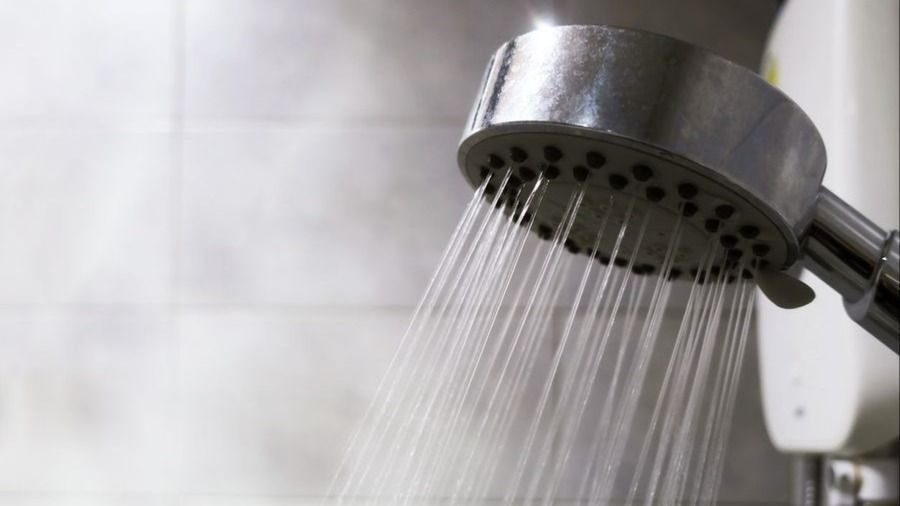
Choosing between a tankless and traditional water heater involves more than comparing equipment features. For Tucson homeowners, water quality should also factor into the decision. Hard water contains dissolved minerals that can leave scale and sediment behind as water moves through your plumbing and water heater.
Over time, those deposits can affect both tankless and traditional water heaters. The way buildup develops, the maintenance required, and the potential impact on performance can differ depending on the type of system you have.
In this guide, we’ll compare tankless and traditional water heaters with Tucson’s hard water in mind. We’ll look at how mineral buildup affects each system, what maintenance may be required, and which factors homeowners should consider when choosing a new water heater.
How Does Tucson’s Hard Water Affect Your Water Heater?
Hard water contains higher concentrations of dissolved minerals, particularly calcium and magnesium. As water is heated, these minerals can form deposits inside plumbing fixtures and water-heating equipment.
Both tankless and traditional water heaters can be affected by mineral buildup, although it occurs differently.
Hard water can contribute to:
-
Scale forming on heating surfaces
-
Sediment collecting inside tank-style water heaters
-
Reduced heat transfer
-
Restricted water flow through certain components
-
Additional maintenance requirements
-
Premature wear on some water heater components
You may also notice evidence of hard water elsewhere in the home. White or chalky deposits around faucets and showerheads, spots on dishes, and recurring scale on plumbing fixtures can all point to mineral-heavy water.
Because a water heater handles hot water every day, managing mineral buildup should be part of system maintenance.
What Is the Difference Between Tankless and Traditional Water Heaters?
The biggest difference is how the two systems heat and store water.
A traditional water heater heats water and stores it in a tank. When you turn on a hot water fixture, heated water leaves the tank, and incoming cold water replaces it.
A tankless water heater does not maintain a large supply of stored hot water. Instead, it heats water as it flows through the equipment when demand occurs.
For homeowners comparing the two, some of the major differences include:
-
Hot water storage: Traditional models store heated water. Tankless models heat it on demand.
-
Space: Tankless units are generally more compact than storage tanks.
-
Hot water demand: Tank systems are limited by the amount of heated water available in the tank. Properly sized tankless systems can provide continuous hot water within their flow capacity.
-
Installation: Switching from a tank to tankless may require plumbing, gas, venting, or electrical modifications.
-
Maintenance: Both require maintenance, especially when operating with hard water.
-
Initial cost: Tankless installations can cost more upfront, especially when a home needs modifications.
Neither option is automatically right for every Tucson household. Water quality, usage patterns, available space, and installation requirements all matter.
Are Tankless Water Heaters Good for Tucson’s Hard Water?
Tankless water heaters can work in homes with hard water, but managing scale is especially important.
Inside a tankless system, water travels through a heat exchanger where it is rapidly heated. Minerals can accumulate on internal surfaces over time. If scale builds up, it can interfere with heat transfer and water flow.
For Tucson homeowners with tankless equipment, maintenance may include:
-
Periodic flushing or descaling
-
Checking inlet filters
-
Inspecting the system for mineral accumulation
-
Following the manufacturer’s maintenance schedule
-
Evaluating water treatment when hardness is a recurring concern
Required maintenance frequency can vary based on water quality, equipment, household usage, and manufacturer recommendations.
Skipping maintenance because a tankless system does not have a storage tank is a mistake. “Tankless” does not mean maintenance-free.
If you’re considering switching to tankless, ask about water quality before installation. Understanding your home’s conditions can help you plan for the maintenance the new equipment will need.
How Does Hard Water Affect a Traditional Tank Water Heater?
Traditional water heaters face a different hard-water challenge: sediment accumulation.
As water is heated and stored, minerals can settle toward the bottom of the tank. Over time, that sediment layer can grow thicker.
Depending on the water heater and severity of the buildup, homeowners may experience:
-
Popping or rumbling sounds from the tank
-
Reduced hot water availability
-
Longer heating times
-
Increased stress on heating components
-
Declining system performance
-
Sediment appearing during maintenance
Flushing a tank water heater may help remove accumulated sediment, but maintenance should follow the manufacturer’s instructions and the equipment’s condition.
Older tanks also require some caution. If a water heater has gone many years without maintenance, homeowners should not assume aggressive flushing is always appropriate. A plumber can inspect an aging system and recommend the right approach.
Hard water does not necessarily mean a traditional water heater is a poor choice. It means you need to factor sediment management into ownership.
Tankless vs. Tank Water Heaters: Which Is Better for Hard Water?
Neither tankless nor traditional water heaters are immune to hard water. The better choice depends on your household, installation, maintenance expectations, and water quality.
Here’s how they compare in several important areas:
-
Mineral buildup: Tankless systems can develop scale inside the heat exchanger. Traditional tanks can accumulate sediment along the bottom.
-
Maintenance: Tankless systems may require regular descaling. Tank water heaters may need periodic flushing and inspection.
-
Hot water supply: Tankless systems heat water as needed within their rated capacity. Traditional systems provide hot water from the tank.
-
Space requirements: Tankless equipment typically occupies less space.
-
Installation requirements: Replacing a tank with another tank is often more straightforward than converting to tankless.
-
Upfront investment: Tankless conversion may require additional modifications that increase installation costs.
-
Long-term ownership: Consider maintenance, equipment life, energy use, and future repair or replacement costs.
The key takeaway for Tucson homeowners is that hard water affects both options. Choosing tankless does not eliminate mineral buildup, and choosing a tank does not mean sediment has to become a major problem.
Proper equipment selection and ongoing maintenance matter with either system.
Can a Water Softener Help Protect a Water Heater in Tucson?
A water softener can help address the minerals responsible for water hardness before they travel throughout the home’s plumbing system.
Traditional salt-based water softeners typically use an ion-exchange process that removes hardness minerals such as calcium and magnesium from the water. By reducing these minerals, a softener can help limit scale accumulation in water heaters, faucets, showerheads, and other plumbing components.
Potential benefits can include:
-
Less scale on plumbing fixtures
-
Reduced mineral accumulation in water-heating equipment
-
Fewer hard-water deposits around the home
-
Easier management of recurring hardness issues
However, choose water treatment based on the actual characteristics of your home’s water. A filtration system and a water softener are not necessarily interchangeable. Different equipment is designed to address different water-quality concerns.
If hard water is affecting more than your water heater, it may be worth having your water quality evaluated and discussing appropriate treatment options with a plumbing professional.
How Do You Choose the Best Water Heater for Your Tucson Home?
Start with your household’s actual hot water needs rather than choosing based on a single feature.
Important factors include:
-
Household size: More occupants can mean greater hot water demand.
-
Peak usage: Consider how many showers, faucets, and appliances may need hot water around the same time.
-
Available space: A compact tankless system may be appealing when space is limited.
-
Existing equipment: Replacing a similar system may require fewer modifications.
-
Fuel or energy source: Gas and electric systems have different installation requirements.
-
Home infrastructure: Tankless conversions may require updates to gas lines, venting, electrical service, or plumbing.
-
Water quality: Tucson’s hard water should factor into maintenance planning.
-
Budget: Consider installation costs along with expected maintenance and ownership expenses.
-
Maintenance expectations: Decide whether you are prepared to keep up with the recommended service for your chosen equipment.
Professional sizing is especially important for tankless systems. A tankless unit must be capable of handling the flow rate and temperature rise required when multiple fixtures need hot water simultaneously.
For tank models, tank capacity and recovery rate should match the household’s typical usage.
A water heater that fits your home and habits is more useful than simply choosing whichever technology is newer.
How Can You Reduce Hard Water Buildup in Your Water Heater?
Whether you choose tankless or traditional equipment, preventive maintenance can help manage hard water’s effects.
A good water heater maintenance plan may include:
-
Following manufacturer-recommended service intervals
-
Flushing or descaling the system when appropriate
-
Inspecting components for mineral accumulation
-
Watching for changes in hot water performance
-
Addressing unusual noises promptly
-
Checking for leaks or corrosion
-
Evaluating water treatment if scale is a recurring household problem
Pay attention to changes between maintenance visits. Reduced hot water, inconsistent temperatures, unusual sounds, or declining water flow can signal that the system needs attention.
Waiting until a water heater stops working can turn a maintenance issue into an unexpected repair or replacement.
Which Water Heater Is Right for Your Tucson Home?
Tankless and traditional water heaters can both provide dependable hot water in Tucson, but local water conditions should factor into the decision.
A tankless system may appeal to homeowners who want compact equipment and on-demand hot water. A traditional tank may make sense for homeowners who prefer a familiar system or want a more straightforward replacement for existing equipment. With either choice, Tucson’s hard water makes routine maintenance and mineral buildup important considerations.
D&H Air Conditioning, Heating & Plumbing can evaluate your home’s hot water needs, existing equipment, installation requirements, and water quality to help you compare your options. If you’re considering water heater replacement or want help managing hard-water issues, contact us today to schedule plumbing service.
Get Service Today
Trust the local experts at D&H for all your HVAC & Plumbing Needs