Serving Tucson, AZ and Surrounding Areas


4.8

Rating by 4105+ Customers
Why Newer Oro Valley Homes Still Experience Poor Indoor Air Quality

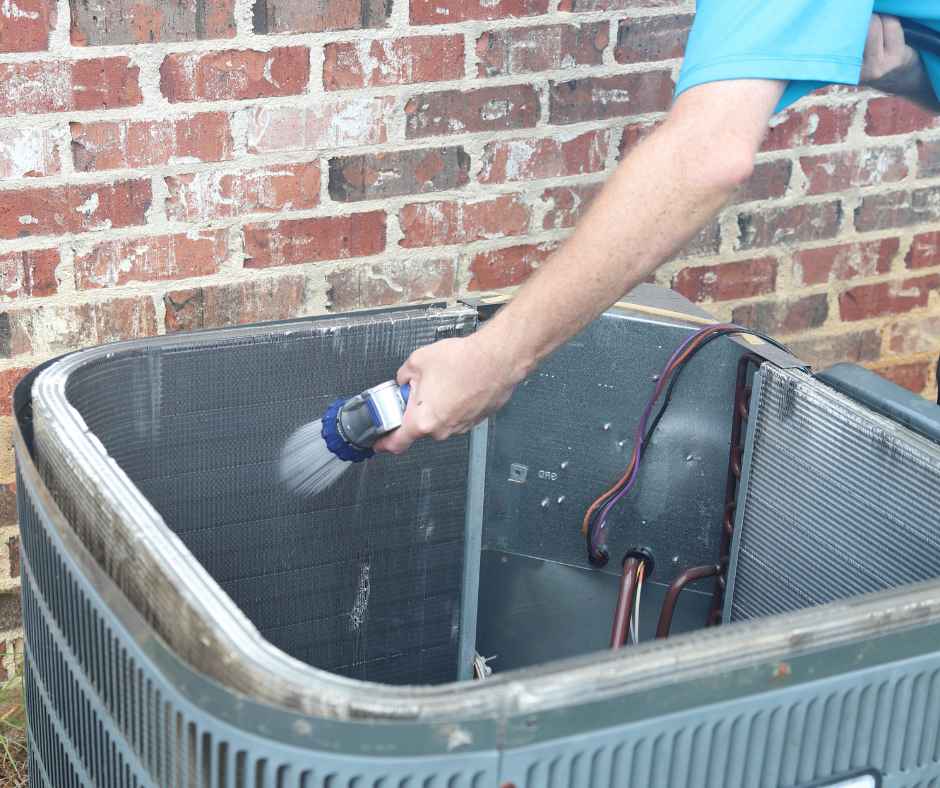
A newer home may look clean, efficient, and well-sealed, but that does not always mean the indoor air is healthy. Modern construction methods are designed to reduce unwanted air leakage, improve temperature control, and lower energy use. Those benefits can also make it easier for dust, odors, moisture, and other pollutants to remain trapped indoors.
Oro Valley homeowners may still deal with desert dust, pollen, construction debris, volatile organic compounds, leaky ducts, poor filtration, and limited fresh-air exchange. Even a recently installed HVAC system cannot correct every indoor air quality concern on its own.
In this guide, we will explain why newer Oro Valley homes can still experience poor indoor air quality, which warning signs to watch for, and how professional HVAC solutions can help create a cleaner and more comfortable indoor environment.
Why Newer Homes Are Built More Airtight
Newer homes are generally constructed with tighter building envelopes than older properties. Improved insulation, sealed windows, weather-resistant barriers, and modern doors help reduce uncontrolled airflow between the interior and exterior.
This tighter construction can improve energy efficiency because conditioned air remains inside longer. The air conditioner does not need to work as hard to replace cooled air that escapes through gaps and cracks.
However, reduced air leakage also means that indoor pollutants may have fewer natural ways to leave the home. Cooking fumes, cleaning product odors, pet dander, dust, and moisture can build up when the house does not receive enough controlled ventilation.
Airtight construction is not the problem by itself. The issue is whether the home has enough planned ventilation, effective filtration, and properly designed HVAC airflow to keep indoor air moving and pollutants under control.
Desert Dust Still Finds Its Way Indoors
Oro Valley’s dry environment creates plenty of opportunities for fine dust and outdoor particles to enter the home. Wind can carry soil, pollen, and debris across neighborhoods, while nearby construction or landscaping may add even more airborne material.
Dust can enter through:
- Open doors and windows
- Gaps around exterior penetrations
- Attached garages
- Clothing, shoes, and pets
- Leaky return ducts
- Poorly sealed attic access points
- HVAC filters that do not fit correctly
Once inside, fine particles can settle on furniture, floors, electronics, and HVAC components. They may also be pulled into the return air system and circulated throughout the home.
Frequent dusting does not always mean the home is simply dirty. Persistent dust can indicate that the HVAC system is drawing particles from an attic, garage, or wall cavity, or that the filtration system is not capturing enough airborne material.
New Building Materials Can Release Indoor Pollutants
Newer homes often contain fresh paint, flooring, adhesives, cabinetry, sealants, insulation, and manufactured wood products. Furniture, rugs, mattresses, and household products can also release odors and airborne chemicals after installation.
Some of these materials emit volatile organic compounds, commonly called VOCs. These compounds can contribute to strong odors, headaches, eye irritation, or general discomfort for some occupants, especially when ventilation is limited.
The concentration of indoor pollutants may be higher soon after construction or remodeling. It can also increase when homeowners bring in new furniture, apply coatings, use strong cleaning products, or complete home improvement projects.
Source control is one of the most effective ways to improve indoor air quality. Homeowners can choose low-VOC products, store chemicals outside living areas, use exhaust fans, and allow new materials to air out when practical.
When odors linger or indoor air feels stale, the home may also need better ventilation or filtration.
HVAC Filters May Not Be Capturing Enough Particles
Many new homes are equipped with basic HVAC filters intended primarily to protect the heating and cooling equipment. These filters may capture large dust particles but allow smaller particles to continue circulating.
Filter problems may also occur when:
- The filter is the wrong size
- Air moves around gaps in the filter frame
- The filter is installed backward
- Replacement is delayed
- The filter becomes overloaded with dust
- The system cannot handle a highly restrictive filter
A higher-efficiency filter may capture more pollen, dust, and other airborne particles, but it must be compatible with the HVAC system. Installing a filter that is too restrictive can reduce airflow, increase system strain, and affect comfort.
A professional HVAC technician can evaluate the system’s airflow and recommend a filter efficiency level that balances air cleaning with equipment performance.
Homeowners should also check filters regularly. Oro Valley homes with pets, nearby construction, frequent dust, or heavy HVAC use may need filter replacement more often than the standard schedule suggests.
Leaky or Contaminated Ductwork Can Spread Pollutants
A newer home can still have ductwork problems. Connections may loosen, seals may fail, or construction debris may remain inside the system after the home is completed.
Leaks on the return side of the duct system are especially important because they can pull unfiltered air into the HVAC equipment. If return ducts pass through an attic, garage, or unfinished space, gaps may draw in insulation fibers, dust, odors, or other contaminants.
Supply duct leaks create a different problem. They allow conditioned air to escape before it reaches the rooms, which can lead to uneven temperatures and longer HVAC run times.
Signs of possible duct issues include:
- Dust blowing from vents
- Rooms that are difficult to cool
- Uneven airflow
- Filters that become dirty unusually fast
- Musty or stale odors when the system runs
- Visible gaps around duct connections
- High energy use without improved comfort
Duct sealing can help reduce unwanted air infiltration and improve system efficiency. A professional inspection can also identify damaged, disconnected, or poorly supported duct sections.
Inadequate Ventilation Can Trap Pollutants
Ventilation brings fresh outdoor air inside and removes stale indoor air. In older, draftier homes, some of this air exchange occurs naturally through gaps. Newer homes rely more heavily on controlled ventilation.
Bathroom fans, kitchen exhaust systems, and whole-home ventilation equipment all play a role. If these systems are missing, undersized, blocked, or rarely used, indoor pollutants can remain trapped.
Everyday activities add pollutants and moisture to the home, including:
- Cooking
- Showering
- Cleaning
- Burning candles
- Using aerosol products
- Running gas appliances
- Caring for pets
- Completing craft or renovation projects
Kitchen exhaust fans should vent outdoors rather than recirculating air back into the room whenever possible. Bathroom fans should also move moist air outside and continue running long enough to reduce humidity after showers.
Some homes benefit from mechanical fresh-air ventilation that introduces outdoor air in a controlled manner. The right system depends on the home’s design, HVAC setup, and local conditions.
Indoor Humidity Can Still Become Unbalanced
Oro Valley is known for a dry climate, but indoor humidity can still become too high or too low.
Overly dry air may contribute to static electricity, dry skin, irritated nasal passages, and shrinking wood materials. This is more common during cooler periods when heating equipment runs and outdoor air is dry.
Excess indoor moisture can occur during monsoon conditions, frequent showering, cooking, plumbing leaks, or poor bathroom ventilation. An oversized air conditioner can also create humidity problems because it may cool the home too quickly and shut off before removing enough moisture.
Humidity issues may be concentrated in certain spaces, such as bathrooms, laundry rooms, closets, or rooms with limited airflow.
Balanced humidity can improve comfort and help protect the home. Depending on the problem, solutions may include ventilation improvements, HVAC adjustments, dehumidification, leak repairs, or whole-home humidity control.
Common Signs of Poor Indoor Air Quality
Indoor air quality problems are not always visible. Homeowners may first notice changes in comfort, odors, or cleaning needs.
Common warning signs include:
- Dust returning soon after cleaning
- Stale or musty odors
- Irritated eyes, nose, or throat
- Allergy-like symptoms that improve outside the home
- Dry skin or excessive static electricity
- Condensation on windows or vents
- Visible dust near supply registers
- Uneven humidity between rooms
- Filters becoming dirty very quickly
- Odors that appear when the HVAC system starts
- Frequent headaches or general discomfort indoors
- Mold or mildew in damp areas
These signs do not confirm a specific cause. Similar symptoms can result from several conditions, including duct leaks, filtration problems, moisture, ventilation issues, or indoor pollutant sources.
A professional evaluation can help narrow down the problem instead of relying on guesswork or a single air-cleaning product.
Why a New HVAC System Does Not Guarantee Clean Air
Heating and cooling equipment is designed primarily to control temperature. It may also help with filtration and humidity, but only when the full system is configured correctly.
A new air conditioner cannot fully solve problems caused by:
- Pollutants released inside the home
- Leaky ducts
- Inadequate ventilation
- Poorly fitted filters
- Excess moisture
- Dust entering from an attached garage or attic
- Unvented cooking or bathroom exhaust
Indoor air quality depends on several systems working together. Temperature control, filtration, ventilation, humidity management, and source reduction all influence the air homeowners breathe.
This is why replacing an older HVAC unit may improve comfort without eliminating persistent dust or odors. The home may need additional air quality improvements beyond standard heating and cooling equipment.
Indoor Air Quality Solutions for Oro Valley Homes
The right indoor air quality solution depends on the source of the problem. A professional assessment can evaluate airflow, ductwork, filter performance, humidity, and ventilation before recommending equipment.
Possible solutions include:
- Properly sized high-efficiency HVAC filters
- Whole-home air cleaners
- Duct sealing
- Duct inspection or cleaning when appropriate
- Improved bathroom and kitchen exhaust
- Mechanical fresh-air ventilation
- Whole-home humidity control
- UV equipment for targeted HVAC applications
- Airflow balancing
- Routine HVAC maintenance
- Repairing plumbing or condensation leaks
- Reducing pollutant sources inside the home
Portable air purifiers may help in individual rooms, but they do not correct leaky ducts, poor ventilation, or whole-home airflow problems.
The most effective approach often combines source control, filtration, and ventilation. This helps remove existing pollutants while reducing how quickly they return.
When to Schedule an Indoor Air Quality Evaluation
Homeowners should consider professional service when air quality concerns persist despite regular cleaning and filter replacement.
An evaluation may be helpful when:
- The home always feels dusty
- Odors continue for weeks or months
- Certain rooms feel stuffy
- Allergy-like irritation is worse indoors
- The home was recently built or remodeled
- HVAC filters become dirty unusually fast
- Airflow varies significantly between rooms
- Moisture or condensation keeps returning
- Dust appears to blow directly from vents
- The HVAC system runs frequently without consistent comfort
A technician can inspect the HVAC equipment, duct system, filter setup, and ventilation. This makes it easier to determine whether the problem is caused by a single issue or by several conditions working together.
Improve the Air Inside Your Oro Valley Home
Newer construction can provide excellent energy efficiency and comfort, but home age alone does not determine indoor air quality. Airtight construction, desert dust, new building materials, limited ventilation, duct leaks, poor filtration, and humidity imbalances can all affect the air quality inside a newly built home.
D&H Air Conditioning, Heating & Plumbing can evaluate your HVAC system and recommend practical indoor air quality solutions based on your home’s layout and concerns. Whether you need better filtration, duct sealing, ventilation improvements, or humidity control, our team can help you create a cleaner and more comfortable indoor environment.
If your Oro Valley home feels dusty, stale, dry, or uncomfortable, contact us today to schedule an indoor air quality evaluation.

Get Service Today
Trust the local experts at D&H for all your HVAC & Plumbing Needs