Serving Tucson, AZ and Surrounding Areas


4.8

Rating by 4105+ Customers
What Tucson Homeowners Should Know Before Installing a New High-Efficiency AC System

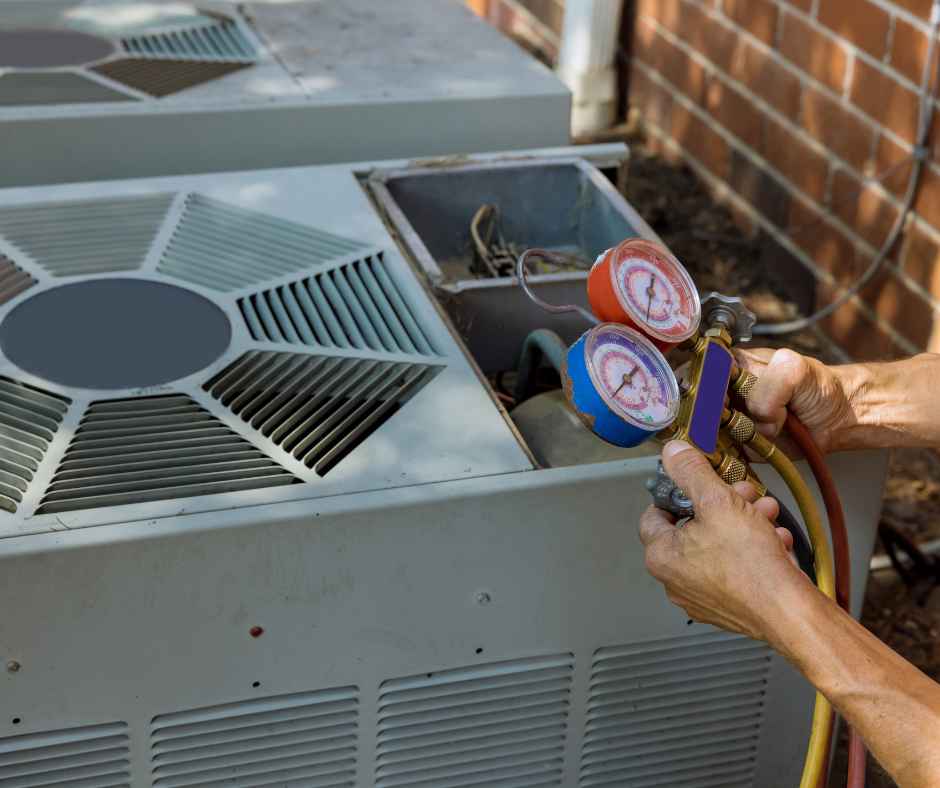
Tucson homeowners should know that a high-efficiency AC system must be properly sized, installed, and matched to the home’s ductwork, insulation, airflow, and cooling needs. A higher-efficiency unit can reduce energy use and improve comfort, but only when the system is designed for desert heat, long cooling seasons, and how your household actually uses air conditioning.
Replacing your air conditioner is a major decision in Tucson. With long summers, intense sun, dry heat, and months of heavy AC use, your cooling system is one of the most important comfort investments in your home. A high-efficiency AC system can be a smart upgrade, but choosing the right one takes more than comparing price tags or picking the highest efficiency rating.
In this guide, we will explain what Tucson homeowners should know before installing a new high-efficiency AC system, what factors affect performance, and how D&H Heating & Air can help you choose the right equipment for your home.
Why High-Efficiency AC Matters in Tucson
Tucson homes rely on air conditioning for much of the year. During peak summer, an older or inefficient system may run for long stretches, struggle to keep up, and drive energy bills higher than expected.
A high-efficiency AC system may help with:
- Lower cooling energy use
- Better indoor comfort
- More consistent temperatures
- Quieter operation
- Improved airflow options
- Better humidity control when needed
- Fewer temperature swings
- Reduced strain compared to an aging system
- Better long-term performance with proper maintenance
High efficiency can be especially valuable in a desert climate because the system may operate heavily for months. However, efficiency ratings alone do not guarantee comfort. The system must be sized and installed correctly.
Efficiency Ratings Are Important, But Not Everything
When shopping for a new AC system, homeowners often focus on efficiency ratings. These ratings help compare how much cooling a system can provide for the energy it uses. A higher rating can mean lower operating costs, depending on usage and installation quality.
Before choosing a system, ask about:
- Cooling efficiency rating
- System capacity
- Single-stage, two-stage, or variable-speed operation
- Compressor type
- Indoor blower performance
- Thermostat compatibility
- Warranty coverage
- Maintenance requirements
- Expected operating cost differences
The most efficient system on paper may not be the best fit for every home. A high-efficiency unit connected to leaky ducts or installed without proper airflow testing may not deliver the results you expect.
Proper AC Sizing Is Critical
Bigger is not better when it comes to air conditioning. An oversized AC can cool the home too quickly, shut off early, and create uneven temperatures. An undersized system may run constantly and still struggle to keep up during extreme heat.
Proper sizing should consider:
- Square footage
- Ceiling height
- Window size and direction
- Sun exposure
- Insulation levels
- Air leakage
- Ductwork condition
- Home layout
- Number of occupants
- Heat-producing appliances
- Shade around the home
- Tucson summer cooling demand
A proper load calculation helps determine the right system size. Replacing your old AC with the same size is not always the right answer, especially if your home has been remodeled, windows have changed, insulation has improved, or comfort problems already exist.
Tucson Heat Requires the Right System Design
Tucson’s desert climate creates unique cooling challenges. Outdoor temperatures can stay high for long periods, and the sun can add significant heat through roofs, walls, and windows. Your AC system needs to be chosen with those conditions in mind.
Tucson cooling challenges include:
- Long cooling seasons
- Intense afternoon sun
- High attic temperatures
- Dust and desert debris
- Dry air conditions
- Monsoon season humidity spikes
- Heavy system runtime
- Outdoor unit exposure
- Large temperature differences between day and night
The right AC system should handle peak heat while operating efficiently for normal daily cooling needs.
Ductwork Can Make or Break a High-Efficiency AC
A new high-efficiency AC system depends on the ductwork already in the home. If the ducts are leaking, undersized, poorly insulated, or unbalanced, the new system may not perform as expected.
Before installation, ductwork should be checked for:
- Air leaks
- Loose connections
- Poor insulation
- Crushed flexible ducts
- Undersized returns
- Blocked airflow
- Dust buildup
- Uneven air delivery
- Rooms that are always too hot
- Ducts running through hot attic spaces
In Tucson, attic ductwork can be exposed to extreme heat. If cooled air leaks into that space or ducts are poorly insulated, your high-efficiency system may waste energy before the air ever reaches your living areas.
Airflow Must Be Tested, Not Assumed
Airflow is one of the most important parts of AC performance. Even the best equipment can struggle if air cannot move through the system properly.
Poor airflow can cause:
- Weak cooling
- Hot rooms
- Longer run times
- Frozen coils
- Higher energy bills
- Excess wear on the blower motor
- Shorter equipment life
- Poor filtration performance
- Comfort complaints after installation
Airflow problems may come from dirty filters, duct design, undersized returns, closed vents, dirty coils, or blower settings. A proper installation should include airflow checks to ensure the system operates as designed.
High-Efficiency Systems Need Compatible Thermostats
Modern high-efficiency AC systems often include features that require the right thermostat or control system. A basic thermostat may not allow two-stage or variable-speed equipment to use its full performance range.
Thermostat options may include:
- Programmable controls
- Smart thermostat compatibility
- Remote access
- Energy usage tracking
- Multi-stage system control
- Zoning compatibility
- Scheduling features
- Temperature alerts
Thermostat placement also matters. If the thermostat is near direct sunlight, a kitchen, a drafty hallway, or a supply vent, it may not accurately reflect the home’s temperature. That can affect comfort and efficiency.
Two-Stage and Variable-Speed Systems Can Improve Comfort
Not all high-efficiency AC systems operate the same way. Single-stage systems are either on or off. Two-stage and variable-speed systems can run at lower levels when full capacity is not needed.
This can help with:
- More consistent temperatures
- Quieter operation
- Longer, gentler cooling cycles
- Better energy efficiency potential
- Reduced temperature swings
- Improved comfort during moderate weather
- Less stress from frequent starts and stops
For many Tucson homeowners, staged or variable-speed equipment can offer a better comfort experience than a basic system, especially during long cooling seasons.
Do Not Forget Indoor Air Quality
A new AC system is a good time to think about indoor air quality. Tucson homes can deal with dust, pollen, pet dander, indoor particles, and seasonal air quality concerns. Since your HVAC system circulates air throughout the home, filtration and air quality upgrades may be worth discussing.
Indoor air quality options may include:
- Higher-quality air filters
- Whole-home air purification
- UV lights
- Duct sealing
- Better return airflow
- Humidity control where needed
- Ventilation improvements
- Regular maintenance plans
Better filtration can help protect both your air and your HVAC equipment, but filters must be matched to the system. A filter that is too restrictive can reduce airflow.
Installation Quality Matters More Than Brand Alone
Homeowners often ask which AC brand is best. Brand matters, but installation quality matters just as much. A top-rated system can underperform if it is sized incorrectly, installed poorly, or connected to bad ductwork.
A quality AC installation should include:
- Proper load calculation
- Ductwork evaluation
- Correct equipment selection
- Safe electrical connections
- Correct refrigerant charge
- Proper condensate drainage
- Airflow testing
- Thermostat setup
- Outdoor unit placement review
- System startup testing
- Clear homeowner instructions
Cutting corners during installation can lead to high bills, comfort problems, frequent repairs, and shortened system lifespan.
Outdoor Unit Placement and Protection Matter
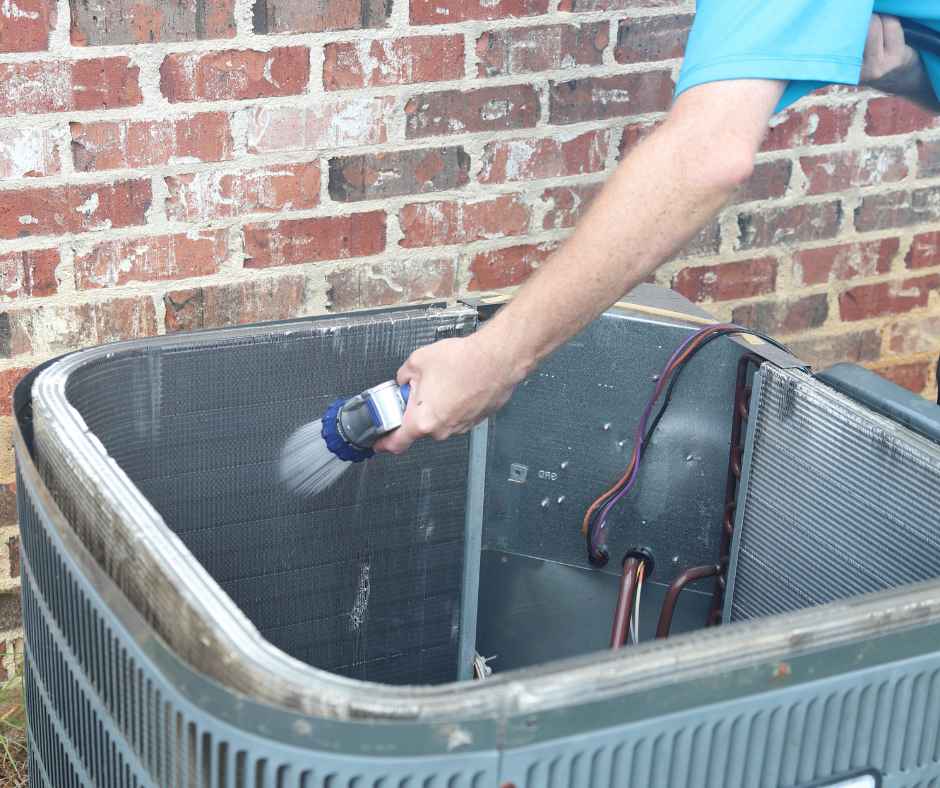
Your outdoor AC unit works hard in Tucson’s heat. It needs proper airflow, stable placement, and access for maintenance. It should not be crowded by walls, shrubs, debris, or stored items.
Outdoor unit considerations include:
- Clear space around the unit
- Protection from excessive debris
- Stable equipment pad
- Drainage around the unit
- Accessibility for service
- Distance from dryer vents or dust sources
- Exposure to intense sun
- Landscaping clearance
- Noise location near bedrooms or patios
Do not fully enclose the outdoor unit to shade it. Blocking airflow can reduce performance and damage the system.
Rebates, Financing, and Long-Term Value
High-efficiency AC systems usually cost more upfront than basic systems. The long-term value depends on energy savings, comfort improvement, repair reduction, warranty coverage, and how long you plan to stay in the home.
Before choosing a system, ask about:
- Available financing
- Manufacturer promotions
- Utility or efficiency incentives, if available
- Warranty options
- Maintenance plan savings
- Expected energy savings
- Repair history on your current system
- Long-term ownership cost
The cheapest system is not always the lowest-cost system over time. A properly installed high-efficiency unit can provide better value through comfort, reliability, and reduced operating costs.
When Replacement Makes More Sense Than Repair
A new high-efficiency AC may be worth considering when your current system is aging, unreliable, or expensive to operate.
Replacement may make sense if:
- Your AC is 10 to 15 years old
- Repairs are becoming frequent
- Energy bills are rising
- The system struggles during peak heat
- Some rooms never cool properly
- The compressor is failing
- Refrigerant problems keep returning
- The unit is noisy
- Parts are harder to find
- You plan to stay in the home
- You want better comfort and efficiency
Repair may still be reasonable if the system is newer, the issue is minor, and comfort has been reliable overall.
Questions to Ask Before Installing a High-Efficiency AC
Before approving a new system, ask clear questions so you understand what you are getting.
Helpful questions include:
- What size AC does my home need?
- Did you perform a load calculation?
- Is my ductwork in good condition?
- Will airflow be tested?
- Should I consider two-stage or variable-speed equipment?
- What efficiency level makes sense for my home?
- Is my thermostat compatible?
- Are electrical updates needed?
- What warranties are included?
- What maintenance will the system require?
- Are financing or rebates available?
- How will this system handle Tucson’s peak heat?
A good recommendation should be based on your home, not just the equipment price.
Protect Your Comfort Before the Next Tucson Heat Wave
Installing a new high-efficiency AC system is not just about buying a more efficient unit. It is about choosing the right size, checking the ductwork, confirming airflow, selecting compatible controls, and ensuring the system is installed for Tucson’s demanding climate.
If your current AC is aging, expensive to run, or struggling to keep your home cool, contact D&H Heating & Air today. Our team can inspect your system, explain your high-efficiency options, and help you choose the right cooling solution for your Tucson home.

Get Service Today
Trust the local experts at D&H for all your HVAC & Plumbing Needs