Black Friday


4.8

Rating by 4146+ Customers
Beyond Cold Showers: When to Replace Your Water Heater in Tucson’s Hard Water Conditions

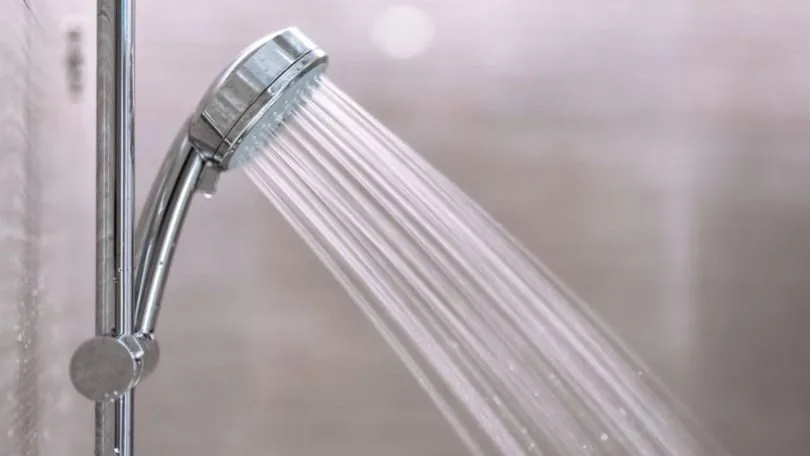
Running out of hot water during your morning shower is frustrating, but it’s not the only sign your water heater may be struggling. Unusual noises, inconsistent temperatures, and rising energy costs can also indicate problems developing inside your system. For homeowners in Tucson, Arizona, hard water adds another factor to consider when evaluating water heater performance and longevity.
Tucson’s water can contain elevated levels of naturally occurring minerals, particularly calcium and magnesium. Over time, these minerals can build up inside water heaters, creating maintenance concerns and potentially affecting heating performance. Understanding when these problems require repairs and when replacement makes more sense can help homeowners avoid unnecessary expenses.
In this guide, we’ll explore how Tucson’s hard water affects water heaters, the warning signs of equipment failure, and how to determine whether repairing or replacing your system is the better investment.
How Does Tucson’s Hard Water Affect Your Water Heater?
Hard water contains dissolved minerals, mainly calcium and magnesium, that naturally enter water as it contacts soil and geological formations. Water hardness varies throughout the Tucson area depending on the property’s water source and other conditions.
When you heat hard water, some dissolved minerals can form solid deposits known as scale. These deposits may accumulate on internal water heater components, particularly surfaces exposed to high temperatures.
In traditional storage tank water heaters, mineral sediment can settle near the bottom of the tank. Tankless systems may experience scale accumulation inside their heat exchangers and other internal passages.
Potential effects of mineral buildup include:
-
Reduced heating efficiency: Scale can interfere with heat transfer in certain systems.
-
Unusual operating noises: Sediment buildup may cause popping or rumbling sounds.
-
Restricted water flow: Deposits can affect internal passages and connected fixtures.
-
Increased maintenance needs: Mineral accumulation may require periodic flushing or descaling.
-
Component problems: Excessive buildup can contribute to operating difficulties in susceptible equipment.
Hard water doesn’t automatically mean your water heater will fail prematurely. However, understanding its potential effects can help Tucson homeowners recognize when professional maintenance or inspection may be necessary.
What Warning Signs May Mean Your Water Heater Is Failing?
Many homeowners associate water heater failure with a complete loss of hot water. In reality, equipment problems often develop gradually, causing small performance changes before a major breakdown.
Recognizing these warning signs can help you address developing issues before they disrupt your household.
Common signs of water heater trouble include:
-
Inconsistent water temperatures: Hot water becomes unexpectedly lukewarm or fluctuates during use.
-
Reduced hot water supply: Your household runs out of hot water sooner than before.
-
Popping or rumbling noises: Unusual sounds develop while the water heater operates.
-
Visible leaks: Water appears around the tank, fittings, or connected plumbing.
-
Discolored hot water: Rust-colored or cloudy water comes from hot water fixtures.
-
Higher energy consumption: Your system appears to require more energy to meet normal hot water demand.
-
Frequent repairs: Problems continue returning despite previous service.
These symptoms can have different causes. For example, insufficient hot water may result from a faulty heating element, incorrect thermostat settings, or increased household demand.
Similarly, discolored water can originate from the water heater or another part of the plumbing system.
A professional inspection can identify the underlying issue and determine whether repairs are appropriate.
Can Sediment Buildup Shorten Your Water Heater’s Lifespan?
Mineral sediment is a common concern for water heaters operating with hard water. As dissolved minerals form deposits, they can accumulate inside the equipment over time.
In conventional tank water heaters, sediment may settle along the bottom of the storage tank. Depending on the system’s design, these deposits can interfere with heat transfer and contribute to unusual operating noises.
Tankless water heaters face different challenges. Because water flows through compact heating passages, mineral scale may accumulate inside heat exchangers and affect performance.
However, sediment buildup isn’t the only factor influencing water heater lifespan. Corrosion, installation quality, operating temperatures, household usage, and maintenance practices also play important roles.
Routine maintenance can help manage mineral buildup before it causes more serious problems.
For homeowners who haven’t maintained their water heaters regularly, professional evaluation is especially important. Aggressively flushing an older or deteriorated tank without assessing its condition may create additional complications.
How Long Should a Water Heater Last in Tucson?
Water heaters don’t have a fixed expiration date, but understanding typical service-life expectations can help homeowners plan for replacement.
Conventional storage tank water heaters often last approximately 8 to 12 years. Tankless water heaters may operate for 15 to 20 years or longer when properly installed and maintained.
These estimates aren’t guarantees. Actual equipment lifespan depends on water chemistry, usage patterns, maintenance, installation quality, and the condition of individual components.
A well-maintained water heater may operate beyond its expected service life, while another system may need replacement sooner because of corrosion or mechanical failure.
If your water heater is approaching the end of its expected lifespan, consider its recent repair history and current performance. An older system that operates reliably may not need immediate replacement. However, frequent breakdowns, declining performance, or significant deterioration may make an upgrade more practical.
When Should You Repair Your Water Heater Instead of Replacing It?
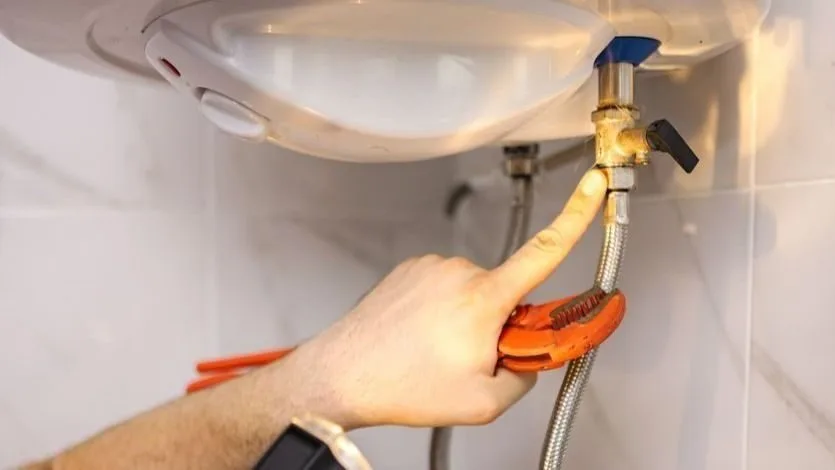
Not every water heater problem requires new equipment. Many common issues involve components you can repair or replace without installing an entirely new system.
For example, a malfunctioning thermostat or failed electric heating element may be relatively straightforward to address, depending on the water heater’s condition.
Some external plumbing leaks are also repairable when the problem involves a fitting, connection, or replaceable valve.
However, other conditions can make replacement the safer or more economical choice.
A corroded storage tank with a leak generally cannot be repaired reliably. Replacing the water heater is typically necessary when the tank itself has failed.
Consider these factors when comparing repair and replacement:
-
Equipment age: Newer systems may have substantial useful life remaining.
-
Repair costs: Major repairs can become less attractive as equipment ages.
-
Repair frequency: Repeated breakdowns may indicate broader deterioration.
-
Tank condition: Significant corrosion or tank leakage often favors replacement.
-
Warranty coverage: Existing warranties may reduce certain repair expenses.
-
Heating performance: Persistent problems may justify evaluating newer equipment.
Avoid making replacement decisions based solely on age or a single repair estimate.
A professional assessment can help determine whether repairing the existing system offers dependable value or whether replacement would better serve your household.
Should You Choose a Tank or Tankless Water Heater for Your Tucson Home?
If replacement is necessary, homeowners typically consider conventional storage tank and tankless water heaters. Both options can provide reliable hot water, but they operate differently and have distinct installation requirements.
Traditional Storage Tank Water Heaters
Storage tank systems maintain a set volume of heated water for household use. They generally have lower upfront installation costs and come in different capacities.
However, stored hot water can be depleted during periods of heavy demand. These systems may also experience sediment accumulation inside the tank.
Tankless Water Heaters
Tankless systems heat water as it passes through the equipment rather than storing a large supply. This design can reduce standby heat losses associated with maintaining a tank of hot water.
Tankless systems typically cost more upfront and must be sized to meet the household’s simultaneous hot water demand.
Importantly, tankless water heaters aren’t immune to Tucson’s hard water conditions. Mineral scale can accumulate inside heat exchangers, making manufacturer-recommended descaling and maintenance essential.
The best choice depends on your household’s hot water usage, available utilities, installation requirements, budget, and maintenance preferences. A professional evaluation can help determine the right type and capacity for your home.
How Can Tucson Homeowners Protect Their Next Water Heater?
Whether you’re maintaining an existing water heater or installing a replacement, proper care can help support reliable performance.
For homes with mineral-rich water, maintenance should account for potential sediment and scale accumulation.
Homeowners can take several practical steps:
-
Follow manufacturer maintenance recommendations: Schedule flushing or descaling at appropriate intervals.
-
Monitor water heater performance: Watch for temperature changes, noises, and reduced hot water availability.
-
Inspect for leaks: Address unexpected moisture around equipment promptly.
-
Consider water hardness testing: Testing can help identify whether mineral content warrants additional treatment.
-
Maintain appropriate temperature settings: Follow manufacturer guidance for safe, efficient operation.
-
Schedule professional inspections: Routine evaluations can identify developing problems before they become more serious.
In some households, water treatment equipment may help reduce mineral scale. However, water softeners don’t eliminate every maintenance requirement or guarantee longer equipment life.
Homeowners should also avoid attempting complex repairs involving electrical connections, gas components, or internal safety devices.
If your water heater is severely corroded, leaking, or showing signs of significant deterioration, seek professional guidance before attempting maintenance.
Schedule Water Heater Replacement With D&H Air Conditioning, Heating & Plumbing
Tucson’s hard water conditions can contribute to mineral buildup and water heater maintenance concerns, but not every performance problem requires replacement. Inconsistent temperatures, unusual noises, and reduced hot water supply may result from repairable components, accumulated sediment, or more serious equipment deterioration.
At D&H Air Conditioning, Heating & Plumbing, we help Tucson-area homeowners evaluate water heater problems and find solutions that fit their household needs. Whether your existing system needs professional repair, maintenance, or replacement, understanding its condition helps you make an informed investment.
If your water heater struggles to provide consistent hot water, shows signs of leakage, or is nearing the end of its expected lifespan, a professional evaluation can help you decide your next step. Contact D&H Air Conditioning, Heating & Plumbing today to schedule water heater service and explore repair or replacement options for your Tucson home.
Get Service Today
Trust the local experts at D&H for all your HVAC & Plumbing Needs