Black Friday



4.8

Rating by 4146+ Customers
Unexpected High Water Bill in Tucson? Signs of a Hidden Leak and What to Do

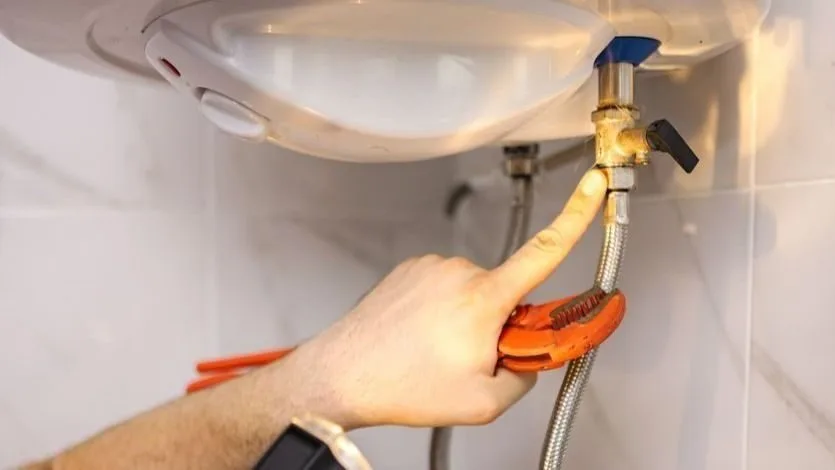
Opening your monthly water bill and seeing an unexpected increase can be frustrating, especially when your household hasn’t changed its water-usage habits. For homeowners in Tucson, Arizona, a sudden spike in water consumption may indicate a hidden plumbing leak, but other factors can also contribute. From underground supply lines to malfunctioning toilets and irrigation systems, water can escape without leaving obvious signs.
Tucson’s desert climate makes identifying unnecessary water consumption particularly important. Even a small leak can waste substantial amounts of water if it goes unnoticed for weeks or months.
In this guide, we’ll explain why Tucson water bills sometimes increase unexpectedly, identify common signs of hidden plumbing leaks, and discuss practical steps homeowners can take before scheduling professional leak detection.
Why Is My Water Bill So High in Tucson?
An unusually high water bill doesn’t automatically mean your home has a plumbing leak. Increased water consumption, changes in outdoor watering schedules, and billing adjustments can all affect your monthly charges.
However, when your water usage increases without an obvious explanation, investigating potential leaks is a reasonable next step.
Tucson homeowners often rely on irrigation systems to maintain landscaping during Southern Arizona’s hotter months. A malfunctioning sprinkler valve or damaged drip irrigation line can let water escape without causing noticeable indoor symptoms.
Common reasons for unexpected water bills include:
-
Hidden plumbing leaks: Water escaping from concealed supply lines or connections.
-
Running toilets: Faulty internal components allowing water to continuously enter the bowl.
-
Irrigation problems: Damaged drip lines, leaking valves, or improperly adjusted watering schedules.
-
Dripping faucets: Small leaks that waste water over extended periods.
-
Increased household usage: Additional occupants, guests, or changes in daily routines.
-
Seasonal watering: Greater irrigation demand during warmer weather.
-
Billing changes: Adjustments, estimated readings, or rate differences affecting charges.
Compare the amount of water used on your current bill with previous billing periods rather than focusing only on the dollar amount. A significant increase in measured consumption may indicate a problem worth investigating.
What Are the Warning Signs of a Hidden Water Leak?
Hidden plumbing leaks can develop behind walls, beneath flooring, or underground. Because the affected pipes aren’t always visible, homeowners may notice indirect symptoms before discovering the actual source.
Some leaks develop gradually, while others become serious enough to cause visible water damage.
Common warning signs include:
-
Unexplained water usage: Your water meter records consumption even when household fixtures aren’t operating.
-
Running water sounds: You hear water moving through pipes when faucets and appliances are turned off.
-
Damp walls or flooring: Moisture appears without an obvious spill or plumbing fixture problem.
-
Water stains: Discoloration develops on ceilings, walls, or around baseboards.
-
Musty odors: Persistent dampness can create conditions that support microbial growth.
-
Reduced water pressure: A significant leak may affect water delivery to household fixtures.
-
Unusual warm floor areas: A leaking hot water line beneath a slab may warm nearby flooring.
-
Wet landscaping: Unexplained damp soil or pooling water may indicate an underground leak.
These symptoms don’t always confirm a plumbing leak. Moisture can also come from condensation, roofing problems, or other sources.
However, multiple warning signs occurring together deserve attention, particularly when accompanied by an unexpected increase in water consumption.
Where Do Hidden Plumbing Leaks Commonly Develop?
Water supply lines run through multiple areas of a home, including locations that are difficult to inspect without specialized equipment. Understanding where leaks commonly develop can help Tucson homeowners recognize potential problems.
Beneath Concrete Slab Foundations
Many homes throughout Tucson, Oro Valley, Marana, and surrounding communities have concrete slab foundations. Depending on the plumbing configuration, water supply lines may run beneath the foundation or through concealed spaces.
A leak beneath the slab may cause unusual moisture, warm flooring, or unexplained water consumption. However, not every home has water lines beneath its foundation, and these symptoms can have other explanations.
Inside Walls and Ceilings
Concealed plumbing connections can develop leaks due to deterioration, movement, or component failure. Water may travel along framing or other surfaces before becoming visible.
Homeowners may first notice peeling paint, stained drywall, or damp baseboards rather than an obvious dripping pipe.
Underground Water Supply Lines
The buried service line connecting a property to its water supply can develop leaks that remain unnoticed for extended periods. Depending on soil conditions and leak location, water may seep into the surrounding ground without reaching the surface.
An unexplained increase in metered consumption may be one of the earliest indicators.
Bathrooms and Water-Using Appliances
Toilets, shower valves, water heaters, and appliance connections can also waste water. Some leaks occur behind fixtures or inside equipment, making them less noticeable during everyday use.
A running toilet is particularly easy to overlook because water may flow directly into the bowl without reaching the floor.
Outdoor Irrigation Systems
Tucson irrigation systems often contain underground tubing, drip emitters, and automatic valves. Damaged components may allow water to escape even when homeowners aren’t actively using outdoor faucets.
Inspecting irrigation equipment is especially important when water consumption increases during warmer months.
How Can You Check for a Hidden Water Leak at Home?
Before scheduling professional leak detection in Tucson, homeowners can perform several simple checks to identify possible water waste. These steps don’t require opening walls, excavating pipes, or working with pressurized plumbing connections.
Start with these practical checks:
-
Review your water bills. Compare recent consumption with previous months and similar periods from the prior year.
-
Turn off water-using fixtures. Make sure faucets, showers, washing machines, and dishwashers aren’t operating.
-
Check your water meter. Look for continued usage or movement on the meter’s leak indicator.
-
Inspect toilets. Listen for running water and look for signs of continuous tank refilling.
-
Examine visible connections. Check beneath sinks and around accessible plumbing for moisture.
-
Inspect your water heater. Look for unexpected water accumulation around the equipment.
-
Check irrigation components. Look for damaged tubing, leaking valves, or unusually wet landscaping.
-
Listen for unusual sounds. Running water noises when everything is off may warrant further investigation.
Understanding Your Water Meter
Your water meter can provide useful information about possible hidden leaks. After confirming that all water-consuming equipment is off, check whether the meter continues registering usage.
Remember that automatic irrigation systems, water softeners, and certain appliances may operate without immediate homeowner involvement. Account for these devices before interpreting meter activity as evidence of a leak.
If the meter continues showing consumption despite all known water usage being stopped, professional evaluation may be appropriate.
Checking for a Silent Toilet Leak
A toilet can waste water without making much noise or leaving moisture on the floor. One simple way to check for internal leaks is to put a few drops of food coloring in the toilet tank.
Wait approximately 15 to 30 minutes without flushing. If colored water appears in the bowl, water may be leaking past the flush valve seal or another internal component.
What Should You Do If You Suspect a Water Leak?
If you believe your Tucson home has a hidden plumbing leak, the next steps depend on whether water is actively damaging the property.
A suspected underground leak with no visible damage may require professional diagnosis, while an active leak inside the home may require more immediate action.
Recommended steps include:
-
Shut off the water when necessary. If water is actively escaping and damaging your home, use an accessible main shutoff valve when safe.
-
Avoid affected fixtures. Stop using plumbing equipment that may be contributing to the problem.
-
Stay clear of electrical hazards. Never enter standing water near outlets, electrical panels, or energized equipment.
-
Document visible damage. Photographs and notes may help with repair planning or insurance discussions.
-
Contact a plumbing professional. Hidden leaks often require specialized equipment to locate accurately.
-
Check utility responsibilities. If the problem appears to involve utility-owned infrastructure, contact your water provider for guidance.
Avoid cutting into walls, breaking concrete, or excavating buried pipes without identifying the leak location. Unnecessary demolition can increase repair expenses without resolving the underlying problem.
Prompt professional attention can help reduce additional water waste and limit the potential for further property damage.
How Do Professional Plumbers Find Hidden Leaks?
Professional leak detection involves evaluating the plumbing system and using appropriate diagnostic methods to narrow down the source of water loss. The techniques used depend on whether the suspected leak is inside a wall, beneath a slab, or underground.
A plumber may begin by reviewing water usage, inspecting accessible connections, and checking the system for pressure loss.
Common leak detection methods include:
-
Acoustic leak detection: Specialized listening equipment may help identify sounds produced by escaping pressurized water.
-
Pressure testing: Testing can help determine whether a plumbing section is losing pressure.
-
Moisture detection: Instruments may identify elevated moisture levels in affected building materials.
-
Thermal imaging: Temperature differences may help locate certain concealed leaks under suitable conditions.
-
Isolation testing: Separating plumbing sections can help narrow down the affected area.
-
Visual inspection: Examining accessible pipes, valves, and connections may reveal the source.
Not every leak can be located using a single method. Some situations require combining diagnostic techniques or performing limited exploratory work.
For Tucson homes with suspected slab or underground leaks, professional diagnosis can help determine the appropriate repair approach before unnecessary demolition begins.
How Can Tucson Homeowners Prevent Future Water Leaks?
Although no maintenance routine can eliminate every plumbing leak, regular monitoring can help homeowners identify developing problems earlier.
Tucson’s dry climate can make outdoor water loss less obvious, particularly when leaking water soaks into surrounding soil.
Helpful prevention practices include:
-
Monitor monthly water consumption. Watch for unexplained changes in usage.
-
Inspect visible plumbing. Check accessible connections, valves, and fixtures for moisture.
-
Test toilets periodically. Silent toilet leaks can continue for extended periods.
-
Maintain irrigation equipment. Inspect drip lines, valves, and watering schedules.
-
Address excessive water pressure. High pressure can place additional stress on plumbing components.
-
Investigate recurring moisture. Don’t ignore unexplained dampness or water stains.
-
Schedule professional evaluations. Have persistent plumbing concerns inspected before they worsen.
Homeowners in Tucson, Catalina Foothills, Vail, and surrounding Southern Arizona communities should also consider how seasonal irrigation changes affect their water usage.
Understanding your household’s normal consumption makes unusual increases easier to recognize.
Get Help With Hidden Water Leaks From D&H Air Conditioning, Heating & Plumbing
An unexpectedly high water bill can be an early warning sign of a hidden plumbing leak, but increased consumption doesn’t always mean a damaged pipe. Running toilets, irrigation problems, seasonal watering changes, and concealed supply line leaks can all contribute to higher water usage.
For Tucson homeowners, identifying the cause is the first step toward preventing unnecessary water waste and potential property damage. D&H Air Conditioning, Heating & Plumbing helps homeowners address plumbing concerns and determine appropriate solutions for suspected water leaks.
If your water bill keeps increasing without an obvious explanation, contact D&H Air Conditioning, Heating & Plumbing today. Our team can evaluate your plumbing concerns, identify potential sources of water loss, and recommend next steps to protect your Tucson home.

Get Service Today
Trust the local experts at D&H for all your HVAC & Plumbing Needs